The perfume industry is changing to the concept of environmental protection, high face design and differentiation strategy. The tube cardboard packaging is mainly made of paper, which conforms to the global trend of green packaging development. Paper materials are safe, hygienic, recyclable, and biodegradable, which can reduce plastic pollution and respond to the environmental initiative of "replacing plastic with paper". The cylindrical three-dimensional structure forms a sharp contrast with common square packaging, visually creating a sense of harmony and balance, which easily attracts consumers' attention and helps the product stand out in the market.
Tube cardboard packaging is made of various recyclable and biodegradable papers. The main reason why it is considered environmentally friendly is that materials and structure play a role. Nowadays, when making eco-friendly paper tubes, we usually choose reliable and easily recyclable paper such as kraft paper. After use, it can be naturally decomposed and thrown into the recycling system without any trouble.
Some manufacturers will make the bottom of the paper cylinder into a full paper structure, which looks simple, but can take into account environmental protection and moisture-proof. It is very practical for perfume, a product with high packaging requirements. In addition, the structure should be as streamlined as possible, using as much as possible, wasting less is a bit, and recycling is also more convenient.
In recent years, the material has also been constantly trying other ways, such as using agricultural and forestry waste such as sugarcane bagasse and straw to make pulp, which is easy to degrade without cutting down trees. Some people also add a layer of nanocellulose coating on paper to prevent water and seepage, without affecting the degradation performance, but the overall experience is better.
Internationally, many governments have been tightening rules on single-use plastics in recent years. The EU, for instance, started banning items like plastic cutlery and straws back in 2021, and its Disposable Plastics Directive pushes member states to keep cutting plastic pollution. Germany moved even further: it stopped the free distribution of plastic bags under 50 microns in 2022 and, by 2025, fully rolled out an extended producer responsibility system. Under that system, manufacturers have to register and contribute financially to recycling programs.
Developing countries have also been taking action in their own ways. Ethiopia, for example, passed a bill in June 2025 banning disposable plastic bags, and the penalties for breaking the rule are quite steep. In the Pacific, places like Vanuatu have introduced a “throw-and-pay” system for waste collection, which has actually helped reduce plastic waste pretty effectively.
China has been building its policy framework for a long time. Since the 2008 “plastic limit order,” the country has issued several follow-up measures, including the “Opinions on Further Strengthening the Control of Plastic Pollution.” Some provinces—Henan, for example—have been experimenting with biodegradable agricultural film. These pilot projects focus on more scientific use of plastic film in farming and have helped lower the amount of residual plastic left in the soil.
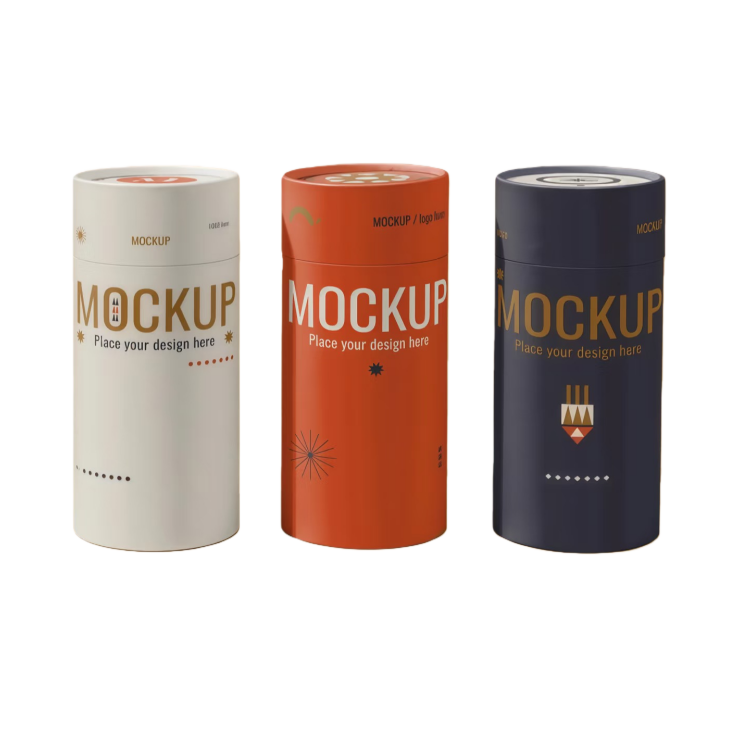
Tube cardboard packaging is usually made from paperboard, pulp, or other recycled materials, so the sustainability aspect is built in from the start. Some brands are getting creative with this — for example, molding bottle caps from recycled cork dust or using bio-fibers with a high content of sugarcane bagasse for labels. Choices like these cut down on the use of virgin resources and help reduce overall waste. Consumers can also sense a brand’s environmental commitment more easily when the materials themselves tell the story.
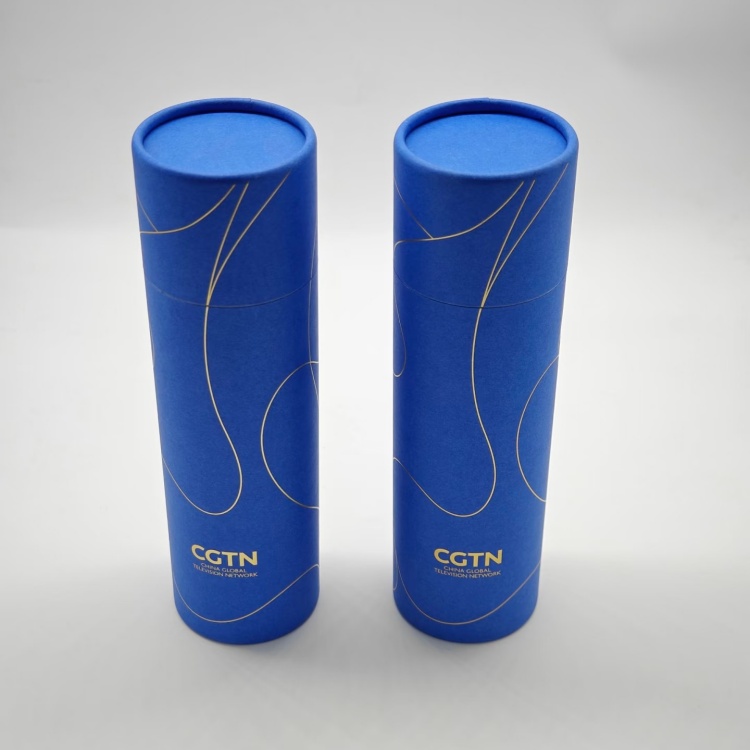
The tube cardboard packaging naturally pushes designers to think more efficiently. With a bit of structural optimization, it’s possible to use fewer materials — essentially a lightweight approach that lowers both resource extraction and energy use during production. Most tube cardboard packaging is also designed to be recyclable or biodegradable, which fits neatly into circular-economy principles and helps reduce environmental impact from the very beginning of the product’s life.
Sustainable packaging doesn’t mean giving up on looks. Plenty of real-world examples show that distinctive design can make a product far more appealing. Some tubes made from natural plant materials (like gourd-based shells) or from inventive recycled sources (such as transformed Coca-Cola labels used to create marble-pattern bottle caps) manage to be eco-friendly and visually striking at the same time. This kind of uniqueness helps products stand out on the shelf and can boost overall brand recognition.
One thing about tube cardboard packaging is that it just looks different. When you put a custom round box next to a bunch of square ones on a shelf, the round one almost always catches the eye first. Maybe it’s the symmetry, or simply that it breaks the pattern a bit. Either way, it tends to look cleaner and a bit more “crafted.” It also stands more firmly than people expect—cylinders don’t topple as easily, and they line up surprisingly well for retail displays or storage. That stability also keeps the product inside safer during shipping.
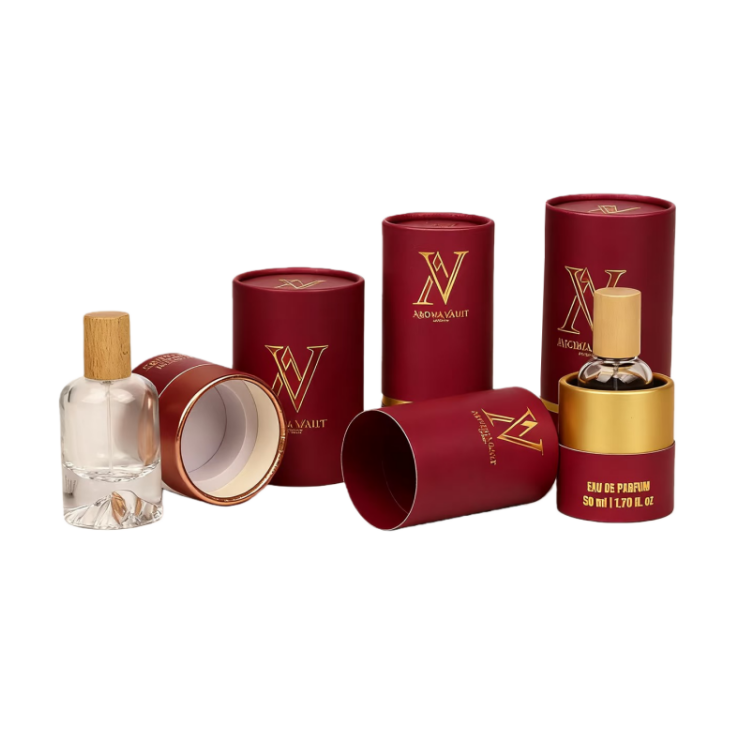
People in packaging often point out that tube cardboard packaging take hot stamping and UV finishes quite nicely. A metallic logo on a curved surface reflects light differently than on a flat one, so the effect is more noticeable. UV gloss or matte coatings also show more contrast when the surface isn’t completely flat. Embossing and debossing end up feeling more tactile too, because your fingers naturally follow the curve.
Compared with the usual square perfume box, a tube cardboard packaging has a softer and almost ceremonial feel to it. There’s something about a smooth cylinder that feels intentional—maybe because it has no sharp angles. Culturally, circles often symbolize completeness, which unintentionally adds a sense of meaning to a fragrance gift. Many brands use this shape to reinforce the emotional side of perfume, not just the product itself.
Perfume bottles don’t usually survive harsh handling very well. The thicker cardboard used in tubes gives better protection than standard folding box, and when you add an EVA or molded pulp insert, the bottle sits snugly enough that it rarely moves around. This usually leads to fewer damages during transport.
Another practical point: tube cardboard packaging can be made in almost any height or diameter, which makes it easy for brands to create a look that’s unique without spending as much as they would on luxury wood box or metal packaging. The production methods are fairly standardized, so even small batches don’t become too expensive. The lighter weight also helps keep shipping costs down.
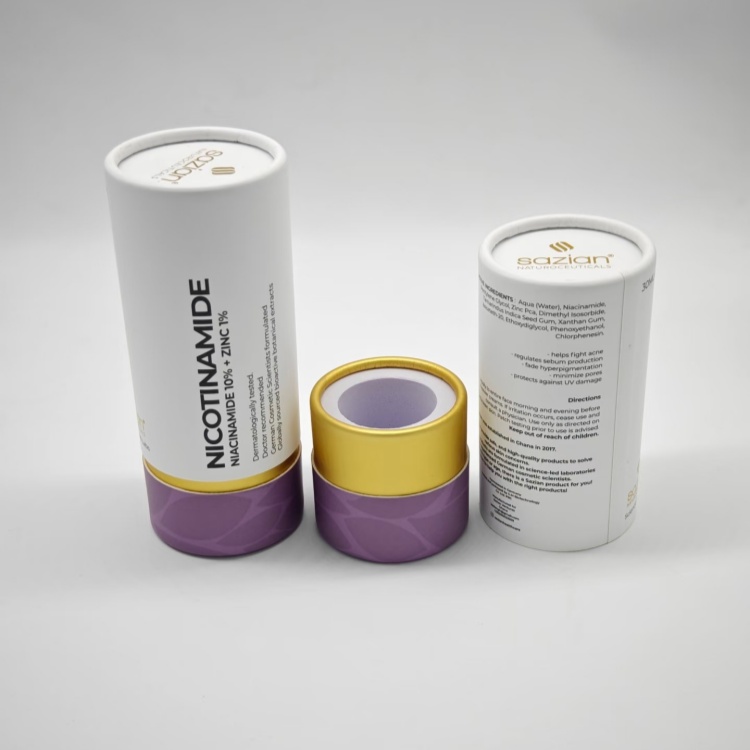
Opening a tube cardboard packaging feels different from lifting the lid of a square box. Some tubes twist open, some slide apart in layers, and the motion itself already feels a bit more “special.” Many brands take advantage of this by designing the inside more carefully—custom inserts, small messages, patterns, things like that. Some even use the packaging to communicate their values, like using recycled materials or adding design elements tied to their story or culture.
Perfume brands often choose tube cardboard packaging not just because it looks good, but because it solves several problems at once. It is protective, customizable, lighter to ship, and fits well with the shift toward recyclable materials. Visually it stands out, and it gives the product a sense of ceremony. For many brands, that balance of practicality and aesthetics is hard to beat.
We chat